By Valley Regional Anesthesia Associates (VRAA)
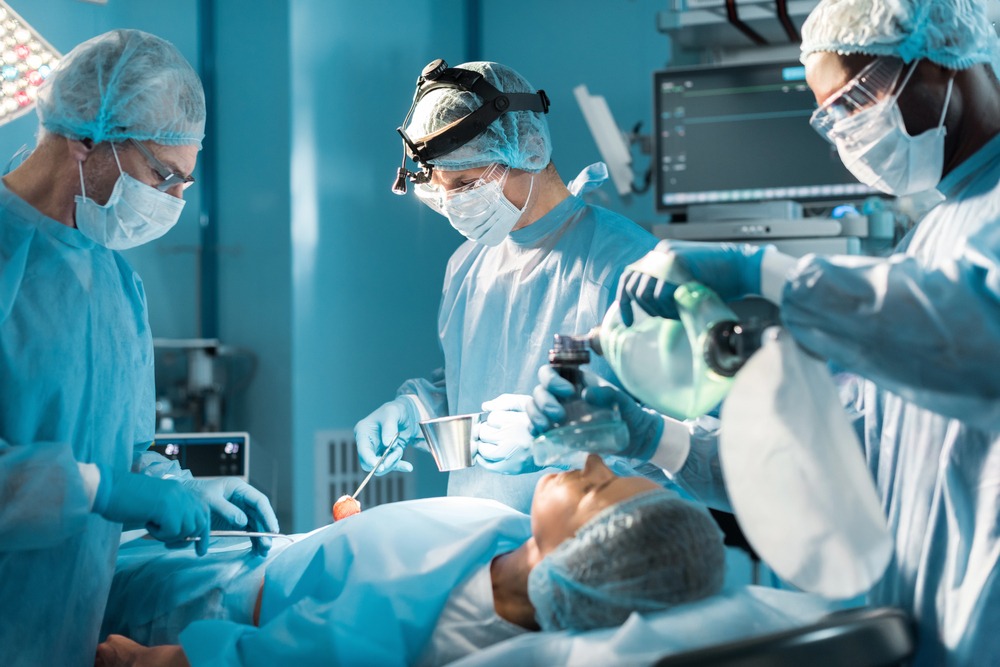
In the operating room, there is no margin for guesswork. Every decision, every adjustment, and every moment of coordination matters. Great anesthesia outcomes are not the product of luck or individual talent alone; they are the result of teams that operate with precision, communicate with clarity, and trust one another under pressure. In an environment where seconds count and patient needs evolve rapidly, true collaboration is not optional. It is essential.
Behind every smooth induction, every seamless transition, and every stable recovery stands a team that has been intentionally shaped. At Valley Regional Anesthesia Associates (VRAA), we know that high-performing anesthesia teams do not simply appear; they are built. Through deliberate structure, shared purpose, and a culture grounded in mutual respect, VRAA cultivates the team dynamics that consistently produce exceptional patient outcomes.
The Anatomy of a High-Performing Anesthesia Team
At VRAA, excellence is built deliberately and consistently.
More Than Technical Skill
Technical proficiency is the baseline for safe anesthesia care. But great teams go further; it is the ability to think, act, and adapt together, even in demanding clinical moments.
The Core of High-Performing Teams
Our strongest teams share a common foundation:
- Mutual respect across every role
- Clear, disciplined communication
- Accountability to one another
- Adaptability in dynamic environments
- A unified commitment to patient safety
This is the structure that allows VRAA teams to operate with the smooth synchronization patients and surgeons rely on.
Built Through Deliberate Practice
Research shows that high-performing clinical teams develop in phases. They build trust, define roles, align goals, and refine performance over time.
At VRAA, we actively cultivate this progression, and we understand that strong teams are shaped rather than simply found.
Collaboration: The True Differentiator
Exceptional teams succeed not just because of what they know, but because of how they work together:
- Anticipating each other’s needs
- Staying aligned through real-time communication
- Responding decisively as conditions shift
- Supporting one another to maintain patient stability and safety
When collaboration falters, the risk rises. Breakdowns in communication can lead to delayed recognition of complications, ineffective crisis response, and preventable harm. Sixty-five to seventy percent of anesthesia-related incidents stem from human factors tied to teamwork and communication. This reinforces a clear truth: non-technical skills carry the same weight as clinical expertise.
At VRAA, structured team development and consistent communication practices help these strengths become the standard, not the exception.
The Role of Leadership in High-Performing Anesthesia Teams
Effective leadership shapes how anesthesia teams communicate, coordinate, and perform under pressure.
Leadership Creates Consistency
At VRAA, leadership is defined by clear expectations, transparent communication, and steady support for every team member, creating the confidence and consistency needed for safe performance.
Shared Leadership Strengthens the Team
When responsibilities are thoughtfully distributed, teams respond faster, maintain situational awareness, and perform more effectively during complex or rapidly changing cases. This shared model supports collaboration without relying solely on hierarchy.
Leadership at VRAA Means Stewardship
Our medical directors and operational leaders ensure teams have the resources, guidance, and professional support they need. When clinicians feel backed by their leaders, they work with greater confidence and commitment, reinforcing VRAA’s culture of excellence.
How Training and Development Shape Strong Teams
Continuous development is essential for maintaining high-quality anesthesia care.
Structured Mentorship and Collaborative Learning
VRAA pairs experienced clinicians with newer clinicians to refine skills and deepen judgment. Peer review sessions encourage open discussion, shared insights, and continuous improvement in a supportive environment.
Developing Interpersonal and Team-Based Skills
Beyond clinical expertise, VRAA strengthens communication, conflict resolution, and leadership abilities. We emphasize psychological safety so team members feel confident speaking up and contributing ideas, driving innovation and stronger collaboration.
Training That Builds Coordination and Confidence
Simulation-based drills, interdisciplinary exercises, and structured debriefings help clinicians practice working together under pressure. These sessions enhance role clarity, communication, and accountability, building resilience in unpredictable clinical settings.
Tools and Frameworks for Continuous Growth
Proven frameworks like TeamSTEPPS, combined with simulation and structured feedback systems, reinforce a culture where trust, respect, and shared standards guide every interaction. Through continuous development, VRAA ensures exceptional care remains the expectation.
Communication and Trust in the OR
If technical skill is the foundation of anesthesia care, communication and trust keep the structure steady under pressure.
Communication That Anticipates and Aligns
VRAA uses a disciplined communication model:
- Preoperative briefings
- Real-time intraoperative updates
- Postoperative debriefs
This continuity ensures teams stay aligned and proactive from start to finish.
Trust That Enables Strong Performance
Trust empowers team members to share information openly, ask questions confidently, and respond without hesitation. Built through consistency and mutual respect, it strengthens both teamwork and patient safety.
Trust in High-Stakes Moments
During crises, trust transforms a team into a coordinated unit. VRAA teams move fluidly, adapt quickly, and maintain calm focus, hallmarks of high-performing groups.
ValleyRAA’s Approach to Building Dream Teams
High-performing teams are built intentionally, through investment in people, processes, and culture.
Recruiting the Right Clinicians
VRAA prioritizes clinical excellence and interpersonal qualities such as humility, adaptability, and commitment to collaboration.
Retention and Long-Term Growth
Structured mentorship, leadership pathways, and data-driven scheduling systems support meaningful careers and long-term stability, which are critical for true team cohesion.
Sustainable Excellence Through Sustainable Work
Through advanced scheduling and operational analytics, VRAA promotes healthy work-life balance, reduces fatigue, and protects against burnout, allowing teams to maintain consistently high performance.
A Comprehensive Model for Team Excellence
By hiring for fit, investing in development, and creating sustainable conditions, VRAA maintains reliable, high-performing teams through anesthesia staffing strategies that consistently succeed across every facility we serve.
The Dream Team Difference in Anesthesia
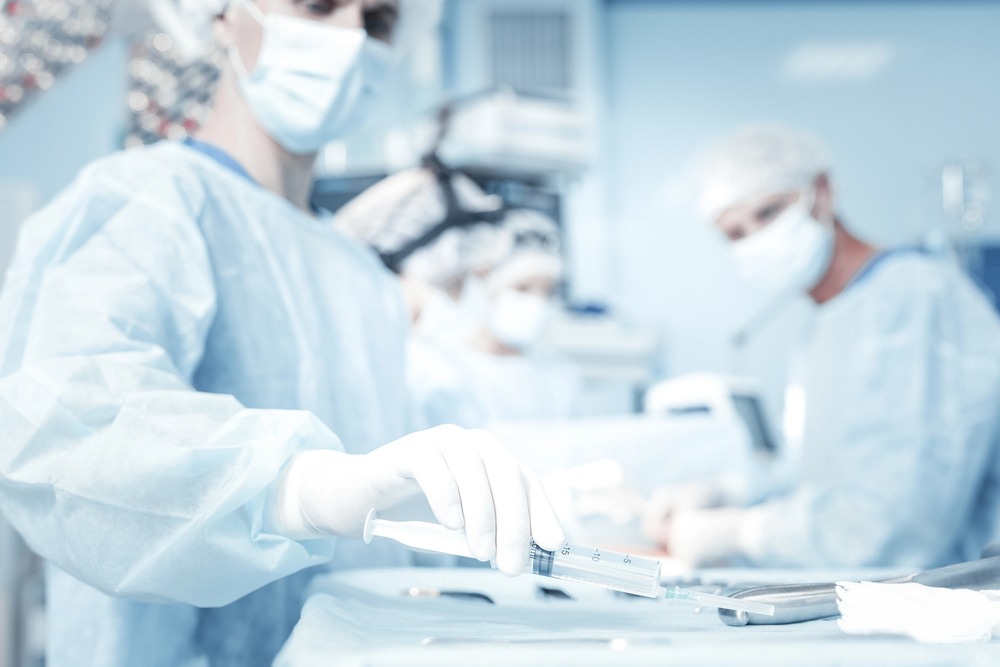
Exceptional anesthesia care is never the result of chance. It grows from deliberate teamwork, strong leadership, continuous development, and a culture rooted in trust and communication.
VRAA brings these principles to life by supporting the clinicians who deliver care and the systems that sustain them. Across every operating room we serve, our mission remains constant: provide more than anesthesia coverage. Deliver excellence shaped by collaboration, reliability, and a shared commitment to patient-centered care.
That is what defines a true dream team in anesthesia, and that is what VRAA brings to every partnership. Facilities seeking consistent, high-performance anesthesia care rely on VRAA’s proven, team-based model to elevate outcomes and strengthen clinical operations.
If your facility is ready to experience the VRAA difference or explore partnership opportunities, contact us to connect with our team.